The Andean region of South America — Chile, Argentina and Bolivia — is one of the most geographically diverse AC markets in the world. A single country can span arid desert, temperate Mediterranean zones, humid subtropical lowlands and high-altitude plateaus above 3,600 meters. For importers, choosing the right product configuration per market zone is the difference between a best-seller and a warehouse of returns.
One region, three very different markets
Chile: regulated and quality-driven
Chile is the most regulated of the three. Energy labeling (PE) and SEC certification requirements mean importers must select models carefully — but it also keeps out low-quality competition. Demand concentrates in Santiago and central Chile (Mediterranean climate), with the mining north requiring high-ambient (T3) units and the cold south favoring heat-pump models.
- Voltage: 220V / 50Hz
- Key ports: San Antonio, Valparaíso, Iquique
- Transit from China: 35-45 days
- Duties: 0% for most home appliances with certificate of origin
Argentina: scale with complexity
Argentina has one of the highest AC penetration rates in South America. The frío/calor (heat pump) configuration is essential — winters in Buenos Aires, Córdoba and Rosario make cooling-only units nearly unsellable. Argentine buyers think in “frigorías” (3,000 frigorías ≈ 12,000 BTU is the residential standard). Import duties and local taxes are significant, so maximizing the value of each container matters more here than anywhere else in the region.
- Voltage: 220V monophasic / 50Hz
- Key port: Buenos Aires (Rosario, La Plata secondary)
- Transit from China: 40-50 days
- Documentation: work with your despachante on SIMI/SEDI licensing
Bolivia: the altitude specialist’s market
Bolivia splits into two AC markets: the tropical east (Santa Cruz, Beni — hot and humid year-round) and the Altiplano (La Paz and El Alto at 3,600-4,000 meters). At high altitude, thin air reduces the heat exchange efficiency of standard compressors and can cause oil return problems. Importers serving La Paz need high-altitude validated units — this is where generic suppliers fail and specialist manufacturers win.
- Voltage: 220V / 50Hz (230V nominal)
- Key entry: Arica/Iquique (Chile) overland to La Paz, or Santos (Brazil) to Santa Cruz
- Transit: 45-60 days door-to-door
- No mandatory energy label
Specifications cheat sheet
| Feature | Chile | Argentina | Bolivia (east) | Bolivia (Altiplano) |
|---|---|---|---|---|
| Function | Cool + heat pump | Frío/calor essential | Cool | Cool + heat |
| Climate | Mediterranean / T3 north | Temperate | Tropical humid | Cold, high altitude |
| Special requirement | PE label, SEC | Frigorías naming | Salt air coast | High-altitude validation |
| Popular capacity | 9K-18K BTU | 12K (3,000 frig) | 12K-24K BTU | 9K-18K BTU |
OEM strategy for the Andean region
All three markets reward strong local brands. Chilean and Argentine consumers are brand-conscious and read energy labels; Bolivian buyers in Santa Cruz increasingly recognize inverter technology as a premium feature. OEM branding lets you:
- Set exclusive model names so customers cannot price-compare
- Adapt capacity naming to local conventions (frigorías in Argentina)
- Build warranty trust under your own brand
Mixed containers are ideal for first orders: 2-3 models across capacity ranges lets you serve both residential and light-commercial customers from a single shipment.
Why WNOTECH AIR for Andean imports
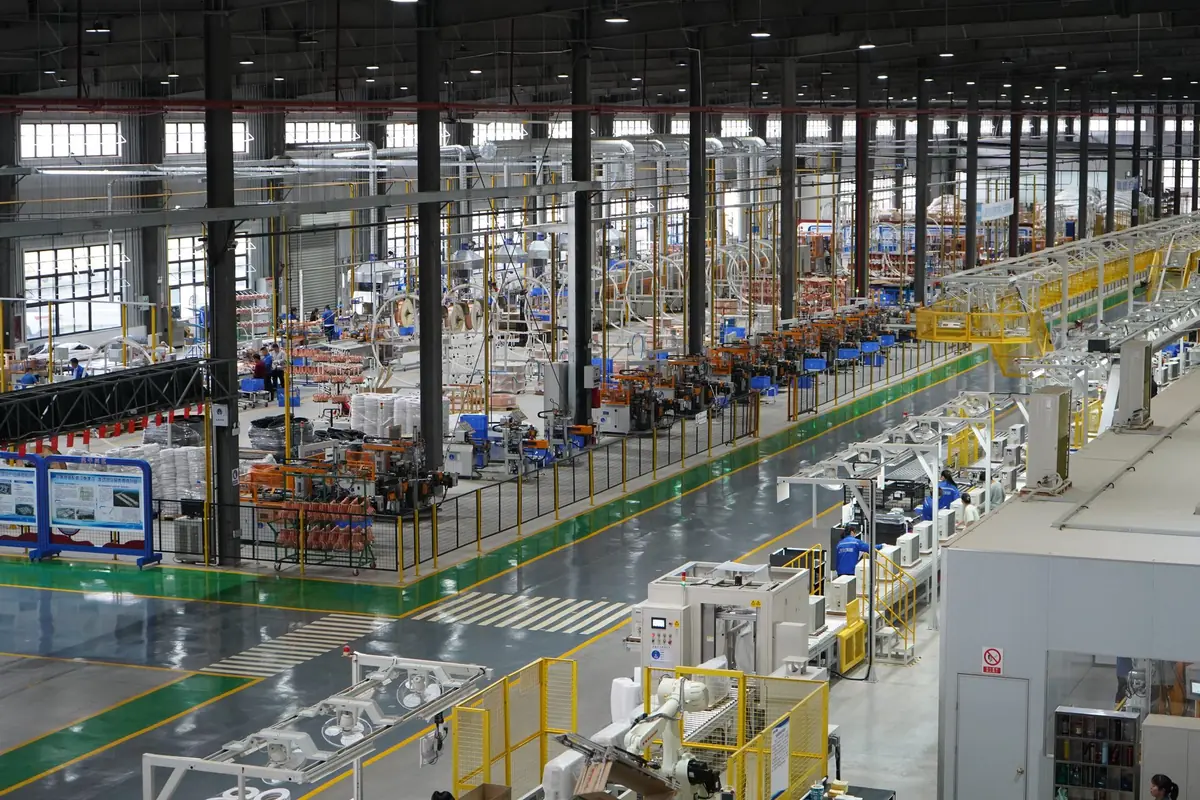
WNOTECH AIR manufactures split air conditioners for every zone of the Andean region:
- Heat-pump (frío/calor) models standard on inverter lines
- T3 high-ambient units for Chile’s mining north
- High-altitude validated units (tested to 4,000 msnm) for La Paz and El Alto
- Documentation aligned with certificate-of-origin requirements for Chile’s 0% duty regime
- CE, CB and ISO 9001 certified production
Send us your market zone and quantity requirements, and receive a tailored FOB/CIF quotation within 24 hours. Samples are available before your first container.